
When Words Aren't Enough: How Expressive Arts Therapy Can Help
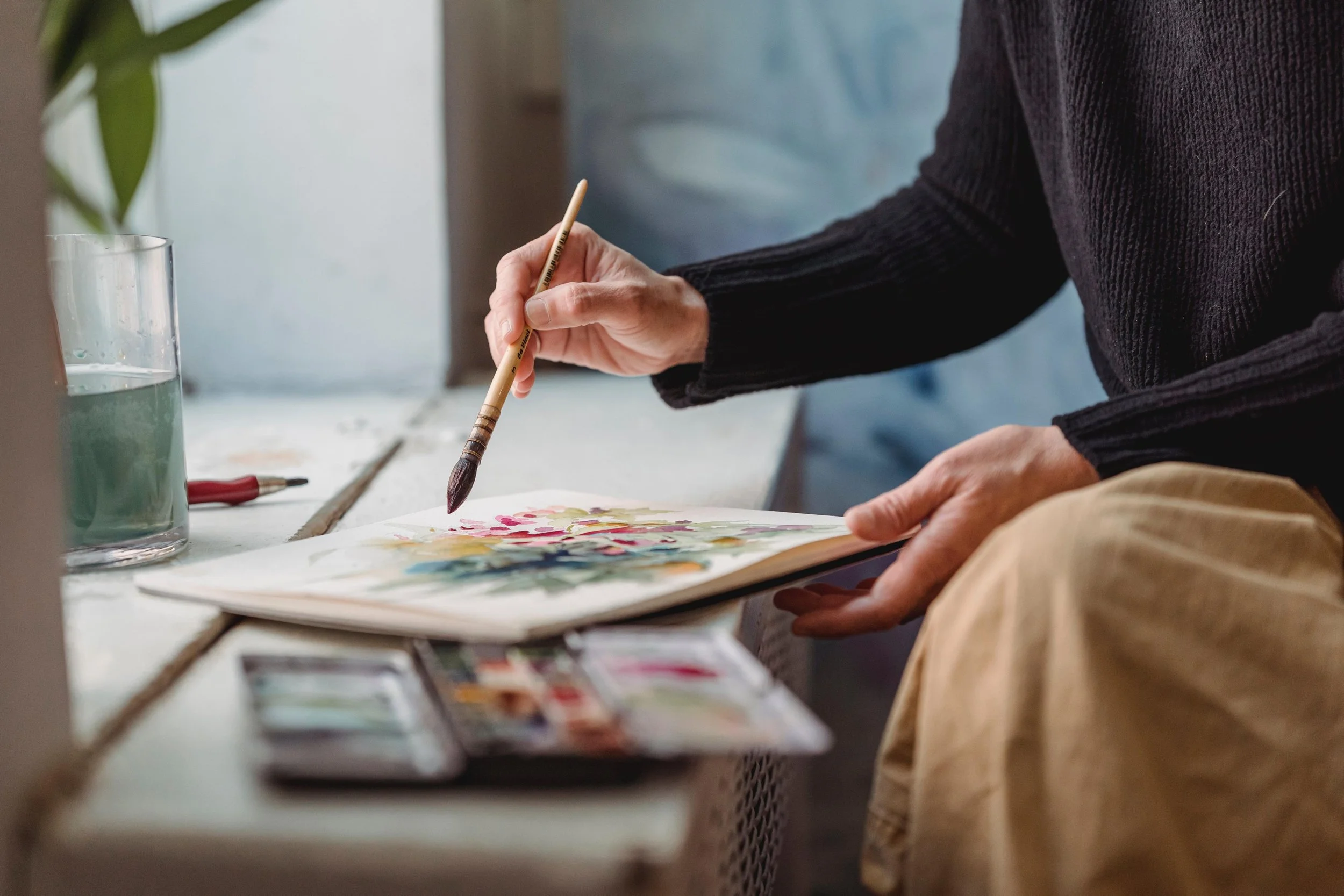
When Words Aren't Enough: How Expressive Arts Therapy Can Help
There are moments when you know something feels heavy inside—but you can't quite explain why.
Someone asks,
"How are you feeling?"
And all you can say is,
"I don't know."
Not because you're avoiding the question.
But because words don't seem big enough for what you're experiencing.
This is where expressive arts therapy can offer a different path.
Sometimes Emotions Exist Before Words
Not every experience is stored as a clear story.
Stress.
Loss.
Anxiety.
Trauma.
Life transitions.
Sometimes our emotions are felt long before we can describe them.
Creative expression can gently access experiences that may be difficult to reach through conversation alone.
Expressive Arts Therapy Isn't About Being Artistic
One of the biggest misconceptions is that you need to be creative or "good at art."
You don't.
Expressive arts therapy isn't about creating something beautiful.
It's about creating something honest.
The process matters far more than the final product.
There is no right or wrong way to participate.
What Might Expressive Arts Therapy Look Like?
Depending on your goals and comfort level, expressive arts therapy may include:
drawing or painting
collage
journaling
visual storytelling
working with color, shapes, or symbols
creative reflection exercises
These activities aren't used to analyze artistic talent.
Instead, they create opportunities for insight, emotional awareness, and healing.
Why Creative Expression Can Help
Sometimes we understand something only after we see it.
Creating can help slow racing thoughts.
It can make emotions feel more tangible.
It can reveal patterns that words alone haven't captured.
Many people discover that creative expression allows them to connect with parts of themselves they hadn't fully recognized before.
Expressive Arts Therapy Can Be Helpful If You...
struggle to describe your emotions
feel overwhelmed by anxiety or stress
process experiences more visually than verbally
feel disconnected from yourself
want a different way to explore personal growth
simply feel curious about a creative approach to therapy
How I Integrate Expressive Arts Therapy
Every therapy session is different.
Some clients never use expressive arts at all.
Others find that creative exercises become meaningful moments of discovery.
I integrate expressive arts thoughtfully and collaboratively, always based on your comfort level and therapeutic goals.
No artistic experience is ever required—only curiosity and openness to exploring your inner world.
Healing Doesn't Always Begin with the Perfect Words
Sometimes healing starts with a color.
A shape.
A simple drawing.
Or an image that captures something words cannot.
You don't have to know exactly what you're feeling before beginning therapy.
Sometimes understanding grows through the process itself.
